
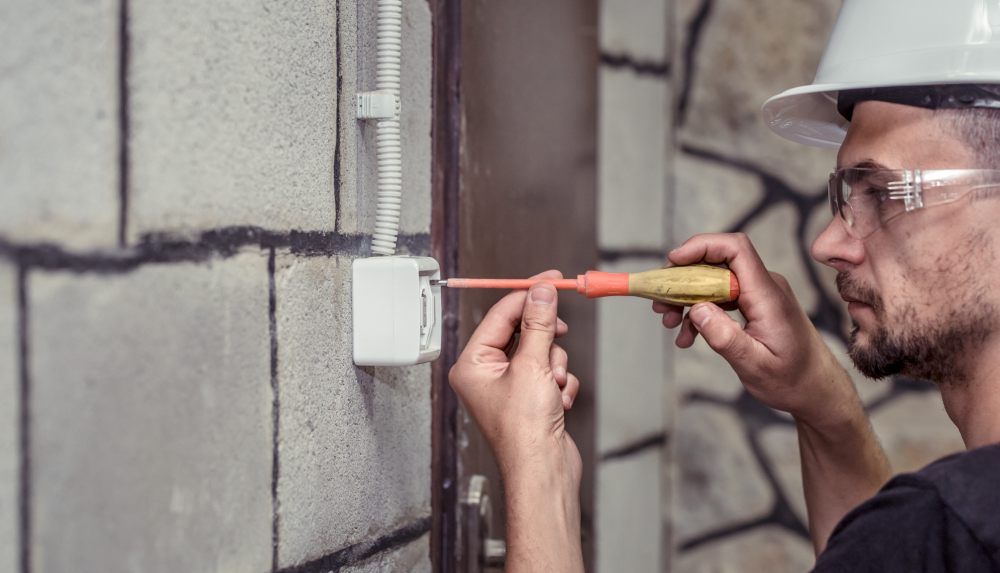
A circuit breaker trips when it detects more current than the circuit can handle safely. This safety mechanism prevents wires from overheating and starting fires. If your breakers trip once in a while, the system is working as designed. If they trip repeatedly, something in your electrical system needs attention. Knowing the causes helps you determine when you can fix the problem yourself and when to call for electrical repairs.
Overloaded Circuits
Why Overloads Happen
Each circuit in your home has a rated capacity, typically 15 or 20 amps for standard outlets. When the total draw from all devices on that circuit exceeds the rating, the breaker trips. This commonly occurs in kitchens where microwaves, toasters, and coffee makers share circuits. Home offices with computers, monitors, printers, and space heaters also experience frequent overloads.
How to Fix an Overload
Start by identifying which appliances share the tripped circuit. Check your panel for labels indicating which rooms or outlets each breaker controls. Redistribute devices to spread the load across multiple circuits. Avoid using extension cords and power strips to run high-draw appliances from a single outlet.
If redistributing loads does not solve the problem, the circuit may need upgrading. A professional can run additional circuits to areas with high demand or install a dedicated circuit for appliances like window air conditioners. These electrical repairs require permits and inspections to ensure the work meets code.
Short Circuits
What Causes a Short Circuit
A short circuit occurs when a hot wire touches a neutral wire or ground wire. This creates a path with almost no resistance, causing current to surge. The breaker trips instantly to prevent the wires from melting. Short circuits often occur inside outlets, switches, or appliances where wires have come loose or insulation has degraded.
Signs of a short circuit include a burning smell near the panel or outlet, visible scorching on faceplates, and breakers that trip the moment you reset them. These symptoms indicate damage that requires immediate attention.
Addressing Short Circuits
First, unplug all devices from outlets on the affected circuit. Reset the breaker. If it holds, plug devices back in one at a time. When the breaker trips, the last device you plugged in contains the short. Discard or repair that appliance.
If the breaker trips with nothing plugged in, the short exists within the wiring itself. Do not continue resetting the breaker. This type of problem requires electrical repairs by a professional who can locate and fix the damaged section of wire.
Ground Faults
How Ground Faults Differ from Short Circuits
A ground fault occurs when current escapes through an unintended path to the ground. This happens when a hot wire touches a grounded metal box, a wet surface, or a person. Ground faults pose electrocution risks, especially in bathrooms, kitchens, and outdoor areas where water is present.
GFCI outlets and GFCI breakers detect ground faults and cut power within milliseconds. If your GFCI outlets trip frequently, moisture may be entering the outlet box, or an appliance may have internal damage.
Resolving Ground Fault Issues
Test GFCI outlets monthly by pressing the test button. The outlet should click and lose power. Press the reset button to restore power. If the outlet does not trip during testing or will not reset, replace it.
For GFCIs that trip repeatedly without explanation, check for moisture in outlet boxes and examine appliances for damaged cords. If the problem persists, schedule electrical repairs to identify the source of the fault.
Faulty Breakers
When the Breaker Itself Fails
Breakers contain mechanical components that wear out after years of use. A breaker that trips under normal loads may have weakened springs or corroded contacts. Some breakers trip due to heat buildup caused by loose connections at the panel.
Signs of a failing breaker include a handle that will not stay in the on position, a breaker that feels warm compared to others, and intermittent tripping unrelated to load changes.
Replacing a Breaker
Breaker replacement requires working inside the electrical panel where live wires carry lethal voltage. This job belongs to professionals trained in electrical repairs. They can test the breaker, check connections, and install a replacement that matches your panel’s specifications.
Never install a breaker with a higher amperage rating to prevent tripping. The breaker protects the wiring, and using an oversized breaker allows wires to overheat before the breaker trips. This creates fire hazards and violates electrical codes.
Arc Faults
What Arc Faults Mean
An arc fault occurs when electricity jumps across a gap in damaged wiring. This generates heat that can ignite surrounding materials. Arc fault circuit interrupters, or AFCIs, detect the signature of arcing and trip the breaker before a fire starts.
Modern electrical codes require AFCI protection in bedrooms, living rooms, and other dwelling areas. Older homes may lack these devices. Frequent AFCI trips suggest damaged wiring, loose connections, or incompatible devices.
Handling AFCI Trips
Some devices with motors or electronic ballasts cause nuisance trips on AFCI circuits. Try moving these devices to non-AFCI circuits where permitted. If trips continue, the wiring on that circuit needs inspection.
A professional performing electrical repairs can trace the circuit, identify damaged sections, and make repairs that restore safe operation. Ignoring AFCI trips eliminates the protection these devices provide.
When to Call for Electrical Repairs
Call a professional when breakers trip repeatedly after redistribution of loads, when you smell burning or see scorch marks, when breakers will not reset or will not stay on, when you need additional circuits or panel upgrades, and when AFCI or GFCI devices trip without explanation.
Electrical repairs involve working with systems that can cause injury, fire, and property damage. Professionals carry insurance, pull permits, and guarantee their work meets code. The cost of professional service is far less than the cost of repairing fire damage or treating electrical burns.
Keep Your System Safe
Circuit breakers protect your home by interrupting dangerous conditions. When they trip occasionally, they are doing their job. When they trip constantly, something in your electrical system demands attention. Start with the simple fixes: redistribute loads and check appliances for damage. If the problem continues, contact a professional for electrical repairs. Your home’s safety depends on a system that functions correctly.