
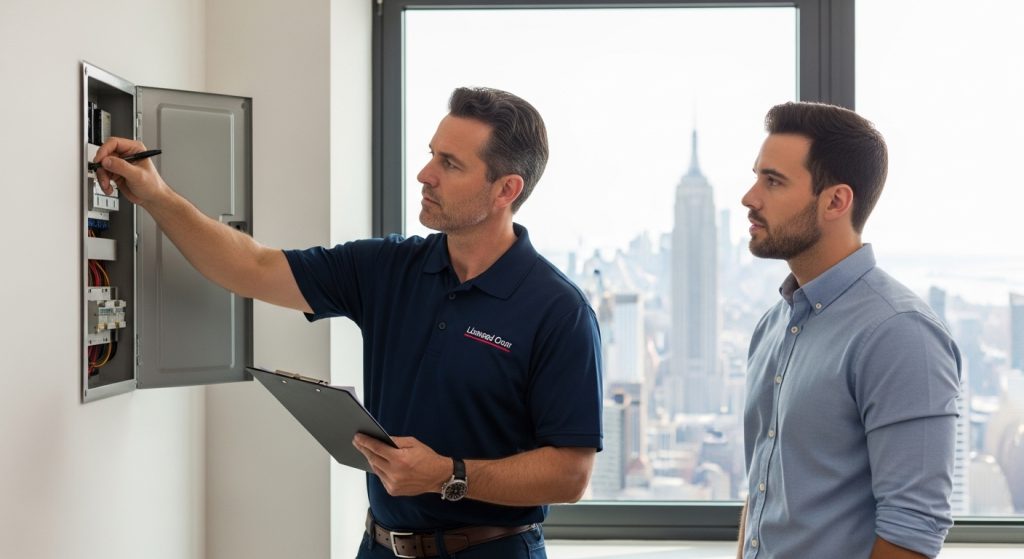
Buying a home in New York City is a major investment, and while most buyers focus on location, layout, and price, the electrical system is just as critical. An outdated or faulty system can lead to expensive repairs, safety hazards, and even failed inspections after purchase. That’s why a proper electrical inspection NYC homeowners can rely on is essential before closing any deal.
This guide walks you through a complete electrical inspection checklist to help you identify issues early and make informed decisions.
Why an Electrical Inspection Is Crucial in NYC
NYC properties, especially older brownstones and pre-war apartments, often have aging electrical systems that were not designed for modern power usage. Without a detailed inspection, you could inherit hidden problems like overloaded circuits, unsafe wiring, or outdated panels.
A professional inspection ensures the property meets NYC electrical codes and helps you avoid unexpected repair costs after moving in.
Main Electrical Panel Check
The electrical panel is the heart of your home’s power system, and it should be one of the first things inspected.
What to Look For:
- Panel capacity (typically 100–200 amps for modern homes)
- Signs of rust, corrosion, or overheating
- Proper labeling of circuits
- No buzzing sounds or burning smells
Older panels may not support today’s electrical demands, and upgrading them can cost thousands, so it’s important to factor this into your buying decision.
Wiring System Evaluation
The type and condition of wiring in a property play a major role in safety and performance.
Common Issues in NYC Homes:
- Knob-and-tube wiring in very old buildings
- Aluminum wiring in mid-century properties
- Frayed or damaged wires
These outdated systems may not meet current safety standards and often require partial or full rewiring.
Circuit Breakers and Load Capacity
An inspection should evaluate whether the system can handle modern electrical loads.
Key Checks:
- Frequent breaker trips
- Overloaded circuits
- Lack of dedicated circuits for appliances
Homes without sufficient circuits may struggle with everyday usage, especially when running multiple appliances at once.
Outlets and Switches Inspection
Outlets and switches reveal a lot about the condition of the electrical system.
What Inspectors Check:
- Functionality of all outlets
- Presence of GFCI outlets in kitchens and bathrooms
- Loose or damaged outlets
- Two-prong outlets indicating lack of grounding
Upgrading outlets is relatively affordable, but widespread issues may point to deeper wiring problems.
Lighting and Fixtures
Lighting systems should be checked for both functionality and safety.
Common Problems:
- Flickering or dimming lights
- Faulty fixtures
- Improper installations
These issues can indicate wiring instability or voltage fluctuations in the system.
Grounding and Bonding
Proper grounding is essential for protecting both people and appliances.
Inspection Focus:
- Grounded outlets (three-prong)
- Proper bonding of electrical systems
- Absence of grounding in older homes
Lack of grounding is a serious safety concern and should be addressed immediately.
Electrical Code Compliance in NYC
NYC has strict electrical codes that must be followed for safety and legal reasons. An inspection should confirm:
- Proper permits for past electrical work
- Compliance with current NYC codes
- Safe installation practices
Non-compliant systems may require upgrades before renovations or resale.
Smoke Detectors and Safety Systems
Safety devices are a critical part of any electrical inspection.
Checklist Includes:
- Working smoke detectors
- Carbon monoxide detectors
- Proper placement throughout the home
These systems are often required by law and essential for occupant safety.
Signs of DIY or Poor Electrical Work
Unprofessional repairs can create serious hazards and are common in older properties.
Warning Signs:
- Exposed wiring
- Overloaded extension cords
- Mismatched components
- Poorly installed outlets or switches
If you notice any of these, a licensed electrician should evaluate the system thoroughly.
Questions to Ask During an Electrical Inspection
Before finalizing your purchase, ask the inspector or electrician:
- Is the system safe and up to code?
- Will I need a panel upgrade soon?
- Are there any immediate safety concerns?
- What repairs or upgrades should I budget for?
These questions help you understand the true condition of the property.
Average Cost of Electrical Inspection in NYC
The cost of an electrical inspection NYC homeowners typically pay ranges between:
- $200 to $600 for standard inspections
- Higher for large or multi-unit properties
This cost is small compared to the potential expenses of undiscovered electrical issues.
Why You Should Hire a Licensed Electrician
While general home inspectors provide a basic overview, a licensed electrician offers a more detailed evaluation of the electrical system.
Benefits include:
- Accurate diagnosis of complex issues
- Compliance with NYC electrical codes
- Reliable cost estimates for repairs
- Increased safety and peace of mind
Hiring a professional ensures you’re not overlooking critical problems.
Final Thoughts
An electrical inspection is one of the most important steps when buying a home in NYC. From outdated wiring to overloaded circuits, hidden electrical problems can quickly turn your investment into a costly project.
Using this checklist helps you identify potential issues and negotiate repairs or pricing before closing the deal. Whether you’re buying a condo, brownstone, or townhouse, a thorough electrical inspection NYC experts provide will protect your investment and ensure your future home is safe, efficient, and up to modern standards.