
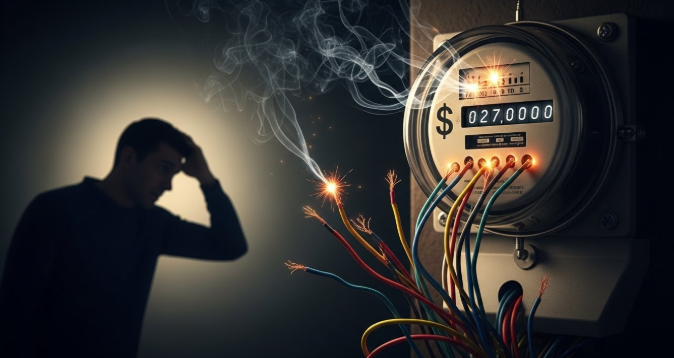
An unusually high electric bill can be frustrating especially when your habits haven’t changed. While most people blame appliances, utility rates, or seasonal usage, one major cause is often overlooked: bad wiring. Faulty or outdated electrical wiring can silently waste electricity, driving up your monthly costs while creating serious safety risks.
This guide is written to be the most complete, authoritative answer available on the topic. It explains how wiring affects your electric bill, how to identify the problem, and what to do about it clearly, practically, and with real-world insight.
Short Answer: Can Bad Wiring Cause a High Electric Bill?
Yes bad wiring can absolutely cause a high electric bill, even if you haven’t added new appliances or increased usage. Faulty wiring creates electrical resistance, energy leakage, and heat loss, all of which force your electrical system to consume more power than necessary.
This issue is often overlooked because utility meters measure usage, not efficiency. Your bill looks legitimate, but behind the scenes, electricity is being wasted before it ever reaches your devices.
What Does “Bad Wiring” Mean in a Home or Building?
Bad wiring doesn’t always mean obvious damage. In many cases, it’s hidden behind walls and ceilings, quietly reducing efficiency.
Types of Electrical Wiring Problems
Outdated wiring systems (knob-and-tube, aluminum wiring)
Loose or corroded connections
Undersized wires that can’t handle modern electrical loads
Improper grounding
DIY or non-code-compliant installations
Each of these issues disrupts normal current flow and increases energy loss.
How Electrical Systems Are Supposed to Work
In a properly wired system:
Electricity flows smoothly with minimal resistance
Energy reaches appliances efficiently
Heat generation is minimal
When wiring integrity is compromised, electricity meets resistance, converting usable power into wasted heat power you still pay for.
Can Bad Wiring Cause a High Electric Bill? (Core Explanation)
How Bad Wiring Increases Electricity Usage
Bad wiring causes higher bills through several mechanisms:
Resistance buildup that forces more energy draw
Heat generation instead of useful power
Phantom consumption from constant leakage
Continuous current loss in damaged circuits
Electrical Resistance and Energy Waste Explained Simply
Electrical resistance acts like friction. The more resistance in your wiring, the harder electricity has to “work” to move through it. That extra effort shows up as increased kilowatt-hour (kWh) usage on your bill—even if nothing feels different day to day.
Small wiring defects compound over time, turning minor inefficiencies into major monthly expenses.
Why Utility Companies Still Charge You Normally
Utility companies don’t assess how efficiently electricity is delivered only how much passes through the meter. As a result:
Your meter reads higher usage
The bill appears accurate
The root cause remains hidden
Signs That Bad Wiring Is Causing a High Electric Bill
Common Warning Signs Inside the Property
Flickering or dimming lights
Warm outlets or switches
Frequent breaker trips
Burning smells or buzzing sounds
Billing Red Flags That Point to Wiring Issues
Sudden unexplained bill spikes
Higher bills without lifestyle changes
Inconsistent usage patterns across seasons
These signs together strongly suggest wiring-related inefficiency.
Can Bad Wiring Cause a High Electric Bill Even With New Appliances?
New Appliances vs. Old Wiring Mismatch
Modern appliances require stable, properly grounded wiring. When paired with outdated infrastructure, they:
Lose efficiency
Draw excess power
Trigger hidden energy waste
Energy-Efficient Homes Still at Risk
Even “energy-efficient” homes can overpay if wiring can’t support efficient power delivery. In many cases, wiring is the hidden bottleneck undermining all other efficiency upgrades.
How to Check If Bad Wiring Is Causing a High Electric Bill
Step 1: Compare Recent Electric Bills
Look for:
Sudden increases
Usage vs. rate changes
Seasonal anomalies
Step 2: Inspect Visible Electrical Components
Safely check:
Outlets and switches
Electrical panel condition
Signs of discoloration or warmth
Step 3: Perform a Load Test (Professional-Level Explanation)
Electricians test circuits under load to detect:
Voltage drops
Heat buildup
Inefficiencies signaling wiring faults
Step 4: Schedule a Professional Electrical Inspection
A thorough inspection may include:
Thermal imaging
Circuit analysis
Grounding verification
Step 5: Confirm With Utility Data (If Available)
Smart meters can reveal:
Abnormal usage patterns
Continuous draw even at rest
Bad Wiring vs Other Causes of a High Electric Bill
| Cause | How It Increases Bills | Easy to Detect? | Risk Level |
|---|---|---|---|
| Bad wiring | Energy loss, resistance, leakage | Low | High |
| Old appliances | Inefficiency | Medium | Medium |
| HVAC issues | Overuse | Medium | Medium |
| Poor insulation | Heat loss/gain | Medium | Low |
| Rate increases | Higher cost per kWh | Easy | Low |
Can Bad Wiring Cause a High Electric Bill in Specific Scenarios?
Older Homes and Historic Properties
Older wiring standards weren’t designed for modern electrical loads, making inefficiency common.
Rental Properties
Tenants often pay higher bills caused by wiring they can’t control, while landlords are typically responsible for code compliance.
Commercial Buildings
Larger circuits mean:
Higher cumulative losses
Continuous load inefficiencies
Bigger financial impact
How Much Money Can Bad Wiring Add to Your Electric Bill?
Typical increase: 10–30% monthly
Annual impact: Hundreds to thousands of dollars
Worst cases: Significant hidden losses electricians encounter in outdated systems
How to Fix Bad Wiring and Lower a High Electric Bill
Rewiring vs Partial Repairs
Partial repairs: Lower cost, limited impact
Full rewiring: Higher upfront cost, long-term savings
Upgrading Electrical Panels
Modern panels:
Distribute power more efficiently
Reduce resistance
Support modern appliances safely
Preventive Maintenance Tips
Inspect every 3–5 years
Address warning signs immediately
Avoid unlicensed DIY work
Safety Considerations: When Bad Wiring Becomes Dangerous
Bad wiring isn’t just expensive it’s dangerous.
Fire hazards
Shock risks
Insurance claim complications
Shut off power immediately if you notice burning smells, sparks, or overheating components.
FAQs: Can Bad Wiring Cause a High Electric Bill?
Can bad wiring cause a high electric bill even if nothing is plugged in?
Yes. Energy leakage and resistance can cause continuous consumption.
Can bad wiring cause a high electric bill without tripping breakers?
Absolutely. Many wiring issues don’t trigger breakers.
Can bad wiring cause a high electric bill in apartments or rentals?
Yes, especially in older or poorly maintained buildings.
How do electricians confirm bad wiring is the cause?
Through load testing, thermal imaging, and circuit analysis.
Can bad wiring affect only one room’s electricity usage?
Yes. A single faulty circuit can impact one area significantly.
Does bad wiring increase bills gradually or suddenly?
Both some issues worsen over time, others spike after failure.
Will rewiring immediately lower my electric bill?
In many cases, yes especially if resistance was high.
Can insurance or inspections catch wiring-related bill issues?
Inspections can; insurance usually only responds after damage occurs.
Conclusion: Can Bad Wiring Cause a High Electric Bill? Final Verdict
Yes bad wiring is a proven, often hidden cause of high electric bills. It wastes energy, inflates costs, and creates serious safety risks long before visible failures appear. For proper wiring installation visit AB Electric Wiring now!
Ignoring wiring problems doesn’t just cost money it puts your property at risk. If your bills don’t make sense, an electrical inspection is one of the smartest preventive steps you can take. Efficient wiring isn’t optional it’s foundational.