
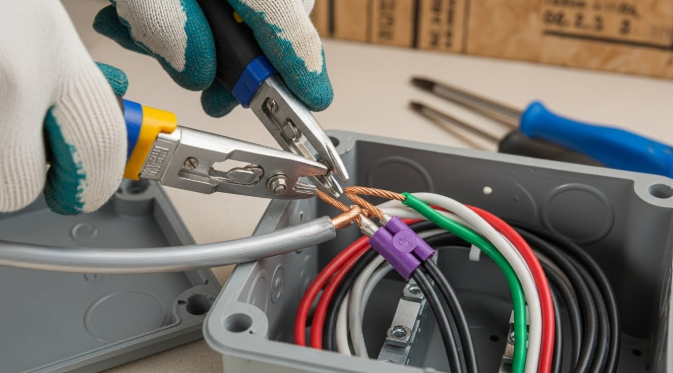
Aluminum wiring, commonly found in homes built between the 1960s and 1970s, is notorious for creating potential fire hazards if not properly maintained. Pigtailing connecting aluminum wires to copper wires using a connector is a proven solution to enhance safety and bring your wiring up to code. If you’ve been asking, “How much does it cost to pigtail aluminum wiring?”, this article provides a complete, detailed breakdown, including DIY estimates, professional installation costs, step-by-step guidance, and factors that influence pricing.
Short Answer – Cost to Pigtail Aluminum Wiring
If you need a quick answer for budgeting:
DIY Materials: $5–$15 per outlet
Professional Installation: $50–$100 per outlet connection
Cost Factors: Labor rates, number of outlets, age and condition of wiring, and regional pricing differences
Typical Cost Example for a 10-Outlet Circuit:
Using professional installation with COPALUM connectors, expect $500–$1,000, depending on labor rates and wiring accessibility.
This range provides a clear baseline, but to make an informed decision, it’s important to understand the wiring itself and what pigtailing entails.
Understanding Aluminum Wiring and Pigtailing
What Is Aluminum Wiring?
Aluminum wiring was widely installed in homes during the 1960s and 1970s as a cheaper alternative to copper. However, over time, aluminum wiring can oxidize, expand, and contract leading to loose connections and fire risks. These safety concerns have prompted the need for modern solutions like pigtailing.
What Does Pigtailing Mean?
Pigtailing involves connecting aluminum wires to copper wires via specialized connectors, such as COPALUM crimp connectors or AlumiConn twist-on connectors. This method ensures a reliable connection, reduces oxidation-related hazards, and often brings your home up to current electrical code standards.
There are two main approaches:
DIY Pigtailing: Possible for those with electrical experience, but riskier.
Professional Pigtailing: Safer, faster, and often UL-approved, making it the recommended approach.
Factors That Influence Pigtailing Costs
Material Costs
The type of connector significantly affects your costs:
COPALUM Crimp Connectors: $8–$12 per outlet; permanent and UL-approved
AlumiConn Twist-On Connectors: $5–$10 per outlet; easier installation but bulkier
Wire Nuts (Al-Cu rated): $2–$5 per outlet; cheaper but less reliable
Additionally, you may need tools such as a crimping tool, torque screwdriver, and wire strippers if performing the work yourself.
Labor Costs
Electricians typically charge between $40 and $100 per hour, with installation complexity impacting the final bill:
Outlet connections are simpler than switch or fixture connections.
Regional cost differences can shift the price significantly.
Scope of Work
Factors that can increase costs include:
Number of outlets or circuits requiring pigtailing
Accessibility of existing wiring (walls, ceilings, or tight spaces)
Age and condition of aluminum wires older wires may require more prep work
Guide to Pigtailing Aluminum Wiring
Pigtailing aluminum wiring requires careful attention to detail. Here’s a professional-level step-by-step guide:
Tools and Materials Needed
COPALUM or AlumiConn connectors
Wire strippers and crimp tools
Screwdrivers and torque tools
Safety equipment (gloves, goggles, voltage tester)
Step 1 – Turn Off Power
Safety is paramount. Shut off the relevant breaker and confirm no voltage with a tester before touching wires.
Step 2 – Prepare the Wires
Strip the aluminum wire to the recommended length and clean it to remove oxidation, ensuring a secure connection.
Step 3 – Attach Copper Pigtail
Insert both aluminum and copper wires into the connector.
For COPALUM: use a crimp tool to create a permanent bond.
For AlumiConn: twist-on connector method.
Follow manufacturer torque specifications carefully to prevent overheating.
Step 4 – Connect to Outlet
Attach the copper pigtail to the outlet’s terminals. Make sure connections are tight and secure, then reassemble the device.
Step 5 – Test the Circuit
Use a multimeter or voltage tester to confirm proper connectivity and ensure there’s no excessive resistance that could indicate a poor connection.
Pigtailing Options and Costs
| Method | Material Cost per Outlet | Labor Cost per Outlet | Pros | Cons |
|---|---|---|---|---|
| COPALUM Crimp | $8–$12 | $50–$75 | Permanent, UL-approved | Requires special crimp tool |
| AlumiConn Twist-On | $5–$10 | $40–$60 | Easier installation | Slightly bulkier |
| DIY Wire Nut (Al-Cu) | $2–$5 | N/A | Cheapest option | Not always UL recommended |
This table provides a clear, comparison for homeowners weighing cost versus reliability and safety.
FAQs About Pigtailing Aluminum Wiring
1. How much does it cost to pigtail aluminum wiring per outlet?
As outlined, $50–$100 professionally, or $5–$15 DIY.
2. Is pigtailing aluminum wiring safe?
Yes. When done correctly with COPALUM or AlumiConn connectors, it significantly reduces fire risk.
3. Can I pigtail aluminum wiring myself?
Technically yes, but it requires experience, proper tools, and strict adherence to safety codes.
4. What’s the difference between COPALUM and AlumiConn connectors?
COPALUM is crimped for a permanent connection; AlumiConn twists on and is easier to install but slightly bulkier.
5. How long does pigtailing aluminum wiring last?
Properly installed pigtails can last decades, essentially extending the safe life of your aluminum wiring indefinitely.
6. Does pigtailing aluminum wiring reduce fire risk?
Absolutely. By connecting aluminum to copper, it prevents oxidation and overheating.
7. Do electricians charge a flat rate or hourly for pigtailing?
Both methods are used; many electricians charge per connection or per hour, depending on project scope.
8. Are there alternatives to pigtailing aluminum wiring?
Rewiring with new copper cables is an alternative but is far more expensive and disruptive.
Signs You Need to Pigtail Aluminum Wiring
Certain warning signs indicate that pigtailing may be necessary:
Flickering or dimming lights
Burning or metallic odors near outlets
Loose or corroded outlet connections
Older homes with original aluminum wiring installed in the 1960s–1970s
A professional inspection is strongly recommended if any of these symptoms appear.
Conclusion – Cost vs. Safety Considerations
Pigtailing aluminum wiring is an investment in safety, efficiency, and long-term peace of mind. While DIY solutions may be tempting, professional installation ensures compliance with electrical codes and drastically reduces fire risk.
Average costs range from $50–$100 per outlet, but the real value lies in preventing potential hazards and preserving the integrity of your home’s electrical system. When it comes to aluminum wiring, the safest route is to hire a licensed electrician your home and family are worth it.