
A GFCI (Ground Fault Circuit Interrupter) outlet is a specialized type of circuit breaker designed to protect people from severe electrical shocks. While a standard breaker protects your house from fires by shutting off during an overload, a GFCI is designed to protect you by detecting tiny changes in electrical current.
How Does a GFCI Outlet Work?
A GFCI works by constantly monitoring the flow of electricity between the Hot and Neutral wires. Under normal conditions, the amount of current going out and coming back should be exactly the same.
However, if electricity finds an alternative path to the ground—perhaps through a person’s body or through water—the GFCI detects this “ground fault” instantly. It can cut the power in as little as 1/30th of a second, which is fast enough to prevent a lethal shock.
Where Are GFCI Outlets Required?
The National Electrical Code (NEC) requires GFCI protection in any area of the home where moisture is likely to be present. Because water is an excellent conductor of electricity, these areas pose the highest risk of ground faults.
- Bathrooms
All outlets in bathrooms must be GFCI-protected. This includes outlets near sinks, showers, and tubs where hair dryers or electric shavers are commonly used.
- Kitchens
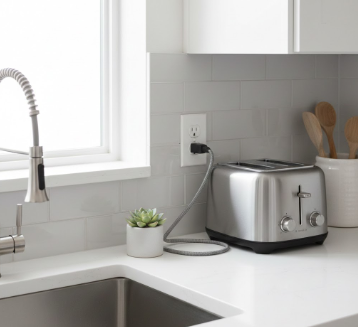
Any outlet that serves a countertop surface must be GFCI-protected. This is critical because of the proximity to sinks and the use of small appliances like blenders and toasters.
- Garages and Unfinished Basements
These areas often have concrete floors that can be damp or cold. If you are standing on a damp floor and touch a faulty tool, a GFCI is the only thing that will prevent a serious shock.
- Outdoors
All exterior outlets must be GFCI-protected and should also have “In-Use” weatherproof covers to protect the outlet from rain and snow.
- Near Sinks, Wet Bars, and Laundry Areas
Any outlet located within 6 feet of a sink, washing machine, or laundry tub requires GFCI protection.
How to Identify and Test a GFCI Outlet
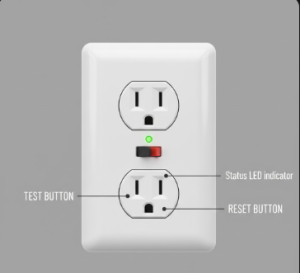
You can easily identify a GFCI outlet by the two buttons on its face: “TEST” and “RESET.” ### The Monthly Test Electricians recommend testing your GFCIs once a month to ensure the internal circuitry is still functioning:
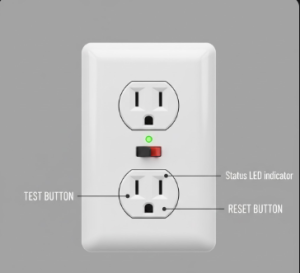
- Press the TEST button: You should hear a “click,” and the RESET button should pop out. Power to the outlet (and any connected downstream outlets) should now be cut.
- Verify Power is Off: Plug in a small lamp or a tester to make sure no electricity is flowing.
- Press the RESET button: The button should click back into place, restoring power to the circuit.
Common GFCI Issues
- Nuisance Tripping: Sometimes a GFCI trips even when there is no obvious fault. This can be caused by long wire runs, old appliances with minor internal leaks, or moisture inside the electrical box.
- Failure to Reset: If a GFCI will not stay reset, it usually means there is a persistent ground fault that needs to be fixed, or the GFCI unit itself has worn out and needs replacement.
- Wrong Wiring: If the Line and Load wires are swapped during installation, the outlet may still provide power, but the test button will not work, and you will not be protected from shocks.
Conclusion
GFCIs are non-negotiable when it comes to modern home safety. If you live in an older home in NYC or elsewhere that still has standard two-prong or non-GFCI outlets in kitchens and bathrooms, you are at a higher risk of injury. Upgrading these outlets is a quick and affordable way to bring your home up to modern safety standards.