
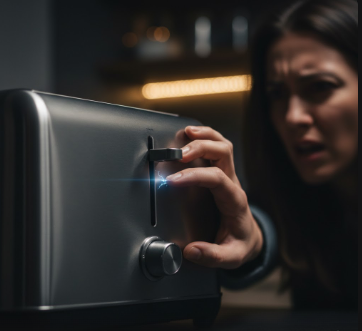
A mild electric shock, often described as a sharp tingle or a sudden jolt, occurs when your body becomes part of an electrical circuit. While most mild shocks do not cause immediate injury, they are a major warning sign. Electricity is unpredictable, and a mild shock today could be a lethal shock tomorrow if the underlying cause isn’t fixed.
Immediate Steps to Take After a Shock
If you or someone else receives an electric shock, follow these steps immediately to ensure safety:
- Let Go and Move Away
The moment you feel a shock, your muscles may contract. If you can, pull away from the source immediately. Do not touch the device or the wire again until the power is cut.
- Disconnect the Power
Do not just turn off the switch on the device. Go to your main electrical panel and shut off the circuit breaker for that specific area. If you aren’t sure which breaker it is, turn off the main house breaker.
- Check for Injuries
Even if you feel fine, check your skin for any small burns, specifically at the entry point where you touched the item and the exit point (often your feet or the other hand).
When to Seek Medical Attention

What feels like a mild shock on the outside can sometimes cause internal issues. You should visit an urgent care or emergency room if:
- You are pregnant (electricity can affect the fetus even if the mother feels fine).
- You have a history of heart problems or have a pacemaker.
- You experience a racing heart, chest pain, or difficulty breathing after the shock.
- You feel dizzy, confused, or lose consciousness even for a second.
- The shock came from a high-voltage source (like a 240V dryer outlet).
Investigating the Cause of the Shock
An electric shock is a symptom of a failure in your home’s safety system. You need to identify why the electricity traveled through you instead of the wires.

Common Causes of Household Shocks:
- Damaged Insulation: A frayed cord on a lamp or toaster allows your hand to touch a live wire.
- Faulty Grounding: If your outlet is not properly grounded, electricity has no “safe path” to return to the panel, so it uses your body instead.
- Reversed Polarity: As discussed in our previous guides, Hot Neutral Reversed wiring can leave an appliance live even when it is turned off.
- Moisture: Touching a switch with wet hands or standing on a damp floor reduces your body’s natural resistance, making a shock much more likely.
How to Prevent Future Shocks
To ensure your home remains a safe environment, take these preventative measures:
- Install GFCI Outlets: Ensure all outlets near water (kitchen, bath, garage) are GFCI-protected. These are designed to cut power in milliseconds if a shock is detected.
- Discard Damaged Cords: Never use electrical tape to fix a frayed cord; replace the appliance or the cord entirely.
- Stop Using “Two-Prong” Adapters: Using cheater plugs to fit a threeprong cord into a two-prong outlet removes the ground safety and significantly increases shock risk.
Conclusion
A mild electric shock is your home’s way of sounding an alarm. It tells you that there is a path for electricity to escape where it doesn’t belong. While you might feel fine after the jolt wears off, the electrical fault is still there, waiting to happen again. Never take a wait and see approach with electricity. If an appliance or outlet shocks you, stop using it immediately and have a licensed electrician inspect your wiring to prevent a more serious accident.