
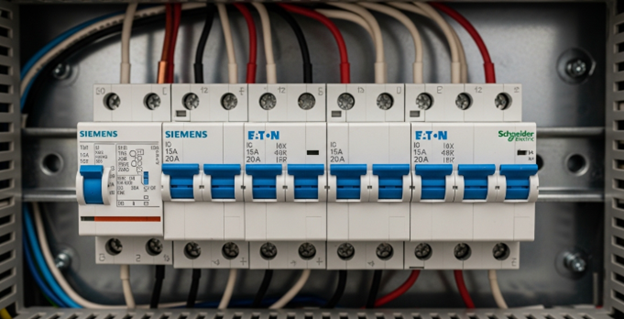
Circuit breakers are the unsung heroes of your home’s electrical system. They prevent overloads, short circuits, and fires by interrupting electricity when something goes wrong. But like any mechanical device, they don’t last forever. Many homeowners wonder: how long does a circuit breaker last? Understanding their lifespan, what affects it, and how to maintain them can save you from costly repairs or dangerous electrical hazards.
In this guide, we’ll cover everything from typical lifespans and warning signs to maintenance tips, types of breakers, and electrician insights to keep your home safe for decades.
Short Answer: How Long Does a Circuit Breaker Last?
The simple answer is that most standard residential circuit breakers last between 15 and 30 years.
However, this depends heavily on:
- Electrical load: Breakers that frequently trip or handle heavy loads wear out faster.
- Usage frequency: Constantly resetting a breaker reduces its lifespan.
- Environment: Moisture, dust, and heat inside the electrical panel can accelerate wear.
- Quality and brand: High-quality breakers from reputable manufacturers last longer.
While breakers can last decades, regular inspections and proper usage are essential to avoid unexpected failure.
Understanding Circuit Breakers and Their Lifespan
What Is a Circuit Breaker and How Does It Work?
A circuit breaker is essentially a mechanical fuse with reset capability. It contains components that respond to overcurrent situations either thermal (heat) or magnetic (current surge). For professional service and troubleshooting, consider a Breaker Panel Repair New York to ensure your system operates safely and efficiently.
Think of it like a spring-loaded valve: it trips when pressure (electric current) is too high, and you can reset it after resolving the issue. Over time, the mechanical parts, contacts, and internal springs wear down, which reduces reliability.
What Affects How Long a Circuit Breaker Lasts?
Several factors determine breaker longevity:
- Electrical load and frequency of trips, Heavy, frequent trips shorten life.
- Environmental conditions, Panels exposed to moisture, dust, or extreme heat degrade faster.
- Quality and brand, Premium brands last longer due to superior materials and manufacturing.
- Panel age and compatibility. Older panels can cause even new breakers to fail prematurely.
How to Extend Your Circuit Breaker’s Lifespan
Inspect Breakers Regularly
- Look for corrosion, charring, or loose connections.
- Listen for unusual sounds when breakers trip.
- Regular visual inspections can catch early warning signs.
Avoid Overloading Circuits
- Calculate amperage of connected devices.
- Spread heavy appliances across multiple circuits.
- Avoid “daisy-chaining” multiple high-power devices.
Maintain the Electrical Panel Environment
- Keep the panel dry, dust-free, and ventilated.
- Do not store flammable items near the panel.
- Environmental care significantly prolongs breaker life.
Test Breakers Periodically
- Use a multimeter or professional testing kit to check continuity.
- Ensure GFCI (Ground Fault) and AFCI (Arc Fault) breakers are functioning properly.
- Early detection prevents potential hazards.
Replace When Necessary
- Signs a breaker needs replacement: frequent trips, inability to reset, or visible damage.
- Always hire a licensed electrician for replacement to ensure safety.
People Also Ask: Common Questions About Circuit Breaker Lifespan
How long do residential vs commercial breakers last?
- Residential breakers: 15–30 years, depending on load.
- Commercial/industrial breakers: 25–40 years, often built for higher currents and more frequent usage.
Can a circuit breaker fail without warning?
Yes, especially if it’s old, corroded, or overloaded repeatedly. Preventive maintenance is key.
What happens if a circuit breaker is too old?
- Frequent trips or failure to reset.
- Overheating, sparking, or even electrical fires.
- Unreliable protection for your home.
Can frequent power surges shorten a breaker’s lifespan?
Absolutely. Repeated surges stress internal components, leading to early failure.
Circuit Breaker Lifespan by Type
| Type of Breaker | Typical Lifespan | Usage Notes | Signs of Aging |
| Standard Thermal Breaker | 15–30 years | Residential homes, low to medium load | Frequent trips, hot to touch |
| GFCI Breaker | 10–20 years | Bathrooms, kitchens, outdoor outlets | Trips unexpectedly, resets fail |
| AFCI Breaker | 10–25 years | Bedrooms, living rooms for arc fault protection | Constant tripping, burning smell |
| High-Quality Industrial | 30–40 years | Commercial or heavy-duty use | Mechanical wear, delayed tripping |
Expert Tips from Electricians
Regular Maintenance Prevents Premature Failure
- Professional inspections every 5–10 years can extend lifespan.
Don’t Ignore Frequent Trips
- Each trip is a warning of overload, fault, or aging breaker.
Invest in High-Quality Breakers for Longevity
- Cheaper breakers wear faster and may fail silently, risking safety.
Consider Upgrading the Panel
- Old panels can cause newer breakers to fail prematurely.
- Electrician tip: “A 25-year-old panel is often the hidden culprit behind frequent trips.”
FAQs: How Long Does a Circuit Breaker Last?
- How long does a circuit breaker last in a typical home?
15–30 years, depending on usage and maintenance. - Can a circuit breaker fail without warning?
Yes. Regular inspections reduce the risk. - Do commercial circuit breakers last longer than residential ones?
Typically 25–40 years due to heavy-duty design. - Can frequent power surges reduce a breaker’s lifespan?
Yes, surges stress the internal components. - How can I tell if my circuit breaker is too old?
Frequent trips, inability to reset, visible damage, or overheating. - Are GFCI and AFCI breakers shorter-lived than standard breakers?
Usually 10–25 years, slightly less than standard thermal breakers. - Is it safe to reset a breaker multiple times before replacing it?
Only occasionally. Frequent resets indicate replacement is needed. - When should I call an electrician to inspect my breakers?
If trips are frequent, breakers feel hot, or the panel shows corrosion or damage.
Conclusion
Circuit breakers are mechanical devices with finite lifespans. Standard residential units typically last 15–30 years, but environmental factors, usage, and panel quality can accelerate or extend this lifespan. For proper installation and maintenance, it’s always best to hire AB Electric Wiring to ensure your breakers function safely and reliably.
Proactive inspections, proper load management, and timely replacement are crucial for preventing fire hazards, electrical shocks, and equipment damage.
Consult a licensed electrician to assess old breakers, upgrade your panel if needed, and ensure maximum safety and longevity for your home’s electrical system.