
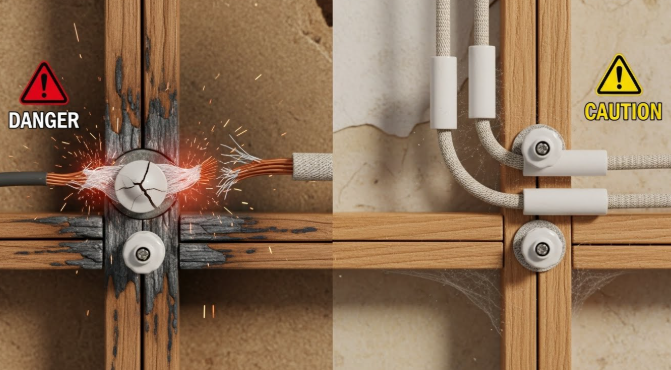
If you live in an older home, you’ve probably heard of knob and tube wiring. While it was a reliable standard for much of the early 20th century, homeowners today face serious questions about its safety visit AB Electric Wiring now. How dangerous is knob and tube wiring? Can it pose fire risks or electrical hazards? This comprehensive guide answers these questions with clarity, depth, and actionable insight for homeowners, buyers, and renovators alike.
Short Answer: How Dangerous Is Knob and Tube Wiring?
Knob and tube wiring can be very dangerous if left in service in modern homes. While the wiring itself was safe when properly installed and used with the electrical loads of the early 1900s, today’s appliances and electrical demands exceed its design limits. Risks include electrical fires, shocks, and insurance complications.
The danger is often overlooked because the wiring is hidden in walls and ceilings, and homes can appear to function normally. Even if there are no immediate problems, the system may be degrading, posing a latent hazard.
What Is Knob and Tube Wiring?
History and Usage
Knob and tube wiring was common from the early 1900s to the 1940s, primarily in single-family homes, small businesses, and older apartments. It replaced primitive methods such as bare copper wiring or cloth-insulated cables.
Key points about its history:
Installed in homes built before 1950
Often used in basements, attics, and wall cavities
Replaced gradually by modern wiring (Romex, conduit) for safety and load capacity
Components and Design
Knob and tube wiring is named for its construction:
Ceramic knobs: support wires horizontally
Ceramic tubes: guide wires through joists
Single-insulated wires: open-air design, not sheathed in plastic
Open routing allowed cooling but exposed wires to potential damage
This design works for low-demand electrical loads but is incompatible with today’s high-power appliances.
How Dangerous Is Knob and Tube Wiring? (Core Explanation)
Fire Hazards
One of the primary dangers comes from fire risk:
Insulation breakdown: Old cloth insulation becomes brittle and can ignite
Overheating: Modern devices draw far more amperage than the original circuits were designed for
Junction points and splices: Improper or DIY connections can spark fires
Electrical Shock Risks
Lack of grounding leaves users exposed
Wires can deteriorate, exposing live copper
Moisture contact significantly increases shock hazards
Compatibility Issues
Modern appliances and HVAC systems exceed knob and tube capacity
Overloaded circuits lead to hidden failures
Temporary fixes or extensions can exacerbate hazards
Insurance & Liability Concerns
Homes with knob and tube wiring may face higher premiums or refusal of coverage
Fires caused by outdated wiring may not be covered
Financial liability in case of property damage is substantial
Signs That Knob and Tube Wiring Is Unsafe
Visible Indicators Inside the Home
Frayed or brittle wires
Blackened or scorched insulation
Sparks or unusual electrical smells
Electrical Performance Red Flags
Frequent breaker trips
Flickering or dimming lights
Hot outlets or switches
Any combination of these signs warrants a professional inspection.
How to Evaluate Knob and Tube Wiring in Your Home
Step 1: Identify Knob and Tube Wiring
Look in basements, attics, and crawlspaces for ceramic knobs, tubes, and single-insulated wires.
Step 2: Inspect Wire Condition
Check for:
Brittle or cracked insulation
Exposed copper
Signs of scorching or wear
Step 3: Check Load Capacity
Evaluate how much current the wiring can safely handle. Be cautious with:
Air conditioners
Electric heaters
Modern kitchen appliances
Step 4: Schedule a Professional Inspection
Electricians can perform:
Thermal imaging to detect hot spots
Load testing of circuits
Assessment for insurance documentation
Step 5: Decide on Repair or Replacement
Options include:
Partial rewiring: For limited areas
Full replacement: Safest long-term solution
Budget and safety considerations must guide the decision
Knob and Tube Wiring vs Modern Wiring
| Feature | Knob and Tube Wiring | Modern Wiring (Romex / Conduit) | Safety Level | Cost/Complexity |
|---|---|---|---|---|
| Insulation | Single layer, open air | Double-insulated | Low vs High | Low vs Moderate |
| Grounding | None | Present | Very Low vs High | Moderate |
| Load Capacity | 15–20 amps max | 20–50+ amps | Low vs High | Moderate |
| Fire Risk | Higher | Lower | High vs Low | Moderate |
| Maintenance | Frequent checks needed | Minimal | Low vs High | Low |
| Compatibility | Poor for modern appliances | Excellent | Low vs High | Moderate |
Risks in Specific Scenarios
Older Homes and Historic Properties
Homes built 1900–1940 often still have original wiring
Renovations require careful integration with modern systems
Rental Properties
Landlords must ensure tenant safety
Tenants may unknowingly live with hazardous wiring
Commercial Buildings
Rarely present but high liability
Overloaded circuits can impact multiple tenants
How to Fix or Upgrade Knob and Tube Wiring
Complete rewiring: Best for overall safety and modern loads
Partial upgrades: Target high-use areas
Integrating modern circuits: Use Romex or conduit while isolating old wiring
Preventive maintenance: Regular inspections reduce risk
Safety tips: Avoid DIY modifications; don’t overload circuits
Safety Considerations: Why Knob and Tube Wiring Is a Serious Hazard
Fire hazards due to old insulation and overload
Electrical shock risks from ungrounded wires
Insurance complications and property value impacts
Immediate action is needed if signs of wear or overheating appear
FAQs: How Dangerous Is Knob and Tube Wiring?
1. How dangerous is knob and tube wiring in a modern home?
It can be very dangerous due to incompatibility with modern electrical loads and lack of grounding.
2. Can knob and tube wiring cause electrical fires?
Yes. Overloaded circuits and deteriorated insulation are common fire hazards.
3. Is it safe to keep knob and tube wiring if I don’t use high-load appliances?
Limited use reduces risk, but aging insulation and hidden damage still pose dangers.
4. Can knob and tube wiring coexist with modern wiring systems?
Yes, if properly isolated and inspected, but safety precautions are critical.
5. How do electricians inspect knob and tube wiring safely?
Using thermal imaging, load testing, and careful visual inspections.
6. Does insurance cover homes with knob and tube wiring?
Some insurers refuse coverage or require replacement before issuing a policy.
7. What are the warning signs of failing knob and tube wiring?
Flickering lights, hot outlets, frayed wires, scorched insulation, or unusual smells.
8. How expensive is it to replace knob and tube wiring?
Costs vary by home size but can range from several thousand to over $10,000 for full replacement.
Conclusion: How Dangerous Is Knob and Tube Wiring? Final Verdict
Knob and tube wiring is a serious safety hazard in today’s homes. It poses risks of fire, shock, and insurance complications, especially when used with modern appliances. Homeowners should prioritize professional inspections, preventive maintenance, and timely upgrades or rewiring. Safety is paramount: ignoring old wiring can lead to costly, life-threatening consequences.
If your home still has knob and tube wiring, take action now identify it, inspect it, and work with a licensed electrician to ensure your home is safe and compliant.