
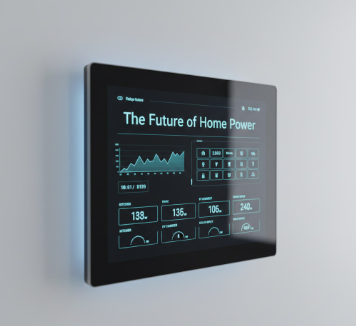
Introduction to Smart Panels
Smart electrical panels are becoming one of the most important upgrades for modern homes. As technology improves and more devices rely on electricity, traditional electrical panels are slowly being replaced by smarter and more efficient systems. The future of smart panels is focused on better safety, energy management, and full control over how power is used inside a home.
What Is a Smart Electrical Panel?
A smart panel is an advanced version of a regular electrical panel. Instead of only distributing electricity, it also allows homeowners to monitor and control their power usage in real time. These panels connect to mobile apps and smart home systems, giving users detailed information about which circuits are using the most energy and when.
Real Time Energy Monitoring
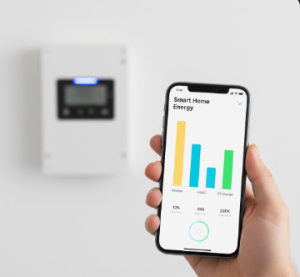
One of the biggest changes in smart panels is real-time energy monitoring. In the future, homeowners will be able to see exactly how much power each appliance is using at any moment. This helps people reduce energy waste, lower electric bills, and identify problems before they turn into serious electrical issues. For example, if a circuit starts drawing unusual power, the smart panel can alert the homeowner immediately.
Improved Safety and Protection
Safety is another major reason why smart panels are becoming more popular. Traditional panels only trip when a problem already happens. Smart panels can detect abnormal activity early, such as overheating circuits or unstable loads. In the future, these systems will automatically shut down risky circuits before damage occurs, helping prevent electrical fires and equipment failure.
Integration with Renewable Energy
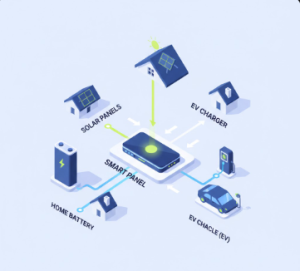
Smart panels are also designed to work with renewable energy systems. As more homes install solar panels, battery storage, and electric vehicle chargers, managing power becomes more complex. Smart panels allow homeowners to balance energy coming from the grid, solar systems, and batteries. In the future, smart panels will decide automatically when to use stored energy, when to charge batteries, and when to draw power from the grid.
Remote Control and Accessibility
Another important feature of future smart panels is remote control. Homeowners will be able to turn circuits on or off using their phone from anywhere. This is especially useful for vacation homes, rental properties, or emergencies. If something looks wrong, power can be shut off instantly without being physically present.
Role in Smart Cities and Buildings
Smart panels will also play a key role in smart cities and smart buildings. As buildings become more connected, smart panels will communicate with HVAC systems, lighting, security systems, and electric vehicles. This creates a fully automated environment where electricity is managed efficiently without human involvement.
Future Adoption and Growth
In the coming years, smart panels will become more affordable and more common in residential homes. What is currently considered a luxury upgrade will slowly become a standard feature in new construction. Homeowners who invest early will benefit from lower energy costs, improved safety, and higher property value.
Conclusion
The future of smart panels is not just about convenience. It is about creating safer homes, smarter energy usage, and better control over one of the most important systems in modern life. As technology continues to evolve, smart panels will become the foundation of intelligent electrical systems worldwide.