
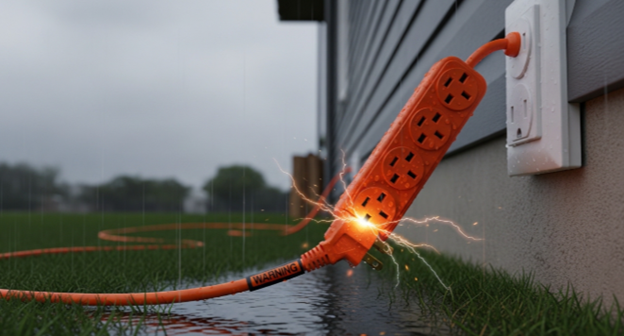
When it comes to powering devices outside your home, many homeowners ask: “Can you use an indoor extension cord outdoors?” It might seem convenient to simply grab the cord from your garage and plug in your tools, holiday lights, or garden equipment. But the truth is, using indoor cords outdoors can be extremely dangerous, potentially leading to electric shocks, fires, or equipment damage. For safe installation and advice, it’s always best to consult an Electrician in Manhattan who understands proper outdoor cord use.
In this comprehensive guide, we’ll break down everything you need to know about indoor vs outdoor extension cords, how to use cords safely outside, and tips from experienced electricians. By the end, you’ll know how to choose the right cord, prevent hazards, and keep your home and family safe.
Short Answer: Can You Use an Indoor Extension Cord Outdoors?
The short answer is: no, you should never use an indoor extension cord outdoors.
Indoor cords are not designed for exposure to moisture, sunlight, or temperature extremes. Using them outside even temporarily can cause:
- Electrical shocks if the cord gets wet.
- Short circuits due to insufficient insulation.
- Overheating or fires when the cord is overloaded.
- Damage to connected devices due to voltage drop or exposure.
Only use cords specifically rated for outdoor use. Indoor cords are strictly for indoor environments.
Understanding Extension Cords: Indoor vs. Outdoor
What Makes Indoor Extension Cords Unsafe Outdoors?
Indoor cords are built for controlled environments. Here’s why they’re unsafe outside:
- Insulation Differences – Indoor cords have thinner insulation that is not waterproof. Even light rain can create a hazard.
- Wire Gauge Limitations – Many indoor cords are 16–18 AWG, suitable for small devices but not heavy outdoor equipment.
- Exposure Risks – UV rays, moisture, and dirt can degrade indoor cords quickly.
- Overheating & Short Circuits – Without proper outdoor protection, cords can overheat and spark, creating a fire hazard.
Features of Outdoor Extension Cords
Outdoor cords are specifically designed to handle harsh conditions:
- Weatherproof Jackets – Thick, durable insulation protects against water, UV, and abrasion.
- Proper Gauge – Heavy-duty cords (12–14 AWG) handle higher loads safely.
- Grounded Plugs – Most outdoor cords include a three-prong plug for grounding, reducing shock risk.
- UL Listing / Certifications – Certified for outdoor use to meet safety standards.
Using Extension Cords Safely Outdoors
Choose the Right Cord
- Always pick an outdoor-rated cord.
- Check the length and gauge: longer cords require a thicker gauge to prevent voltage drop.
- Ensure the cord is suitable for the power draw of your devices.
Inspect the Cord
- Look for frays, cracks, or exposed wires.
- Inspect the plug and prongs for damage.
- Discard any cord showing signs of wear—don’t risk it.
Proper Placement
- Avoid running cords through puddles, mud, or wet grass.
- Use cord covers, ramps, or raised platforms for safety.
- Keep cords away from sharp edges or high-traffic areas.
Connect Devices Safely
- Never overload the cord beyond its capacity.
- Avoid daisy-chaining indoor cords this increases fire risk.
- Use GFCI outlets to protect against ground faults.
Storage and Maintenance
- Coil cords loosely to prevent kinks.
- Store in a dry, cool place when not in use.
- Regularly inspect before each outdoor use.
People Also Ask: Common Questions About Indoor Cords Outdoors
Can you temporarily use an indoor cord outside?
Only for very short-term, supervised use, and with extreme caution. Preferably, use a proper outdoor cord.
What happens if an indoor cord gets wet outdoors?
It can short-circuit, spark, or deliver an electric shock, potentially injuring anyone nearby.
Can indoor cords handle high-power tools outside?
No. Indoor cords are usually too thin to handle high-power devices, risking overheating and fire.
How do I know if my cord is rated for outdoor use?
Check for UL or ETL markings, heavy insulation, and “for outdoor use” printed on the cord.
Indoor vs Outdoor Extension Cords
| Feature | Indoor Extension Cord | Outdoor Extension Cord | Safety Notes |
| Insulation | Thin, not weatherproof | Thick, weather-resistant | Indoor cords can short if wet |
| Wire Gauge | Usually 16–18 AWG | 12–14 AWG for heavy-duty | Outdoor requires lower AWG for long runs |
| Plug | Non-grounded optional | Grounded standard | Grounding prevents shocks |
| Usage | Indoors only | Indoor & outdoor | UL rating required for outdoors |
| Cost | Low | Moderate | Safety is worth the cost |
Expert Tips from Electricians
Avoid Daisy-Chaining Indoor Cords Outdoors
- Connecting multiple cords together increases resistance and heat, creating fire hazards.
Use GFCI Outlets for Added Safety
- Ground Fault Circuit Interrupters cut power if current leakage is detected, essential outdoors.
Limit Cord Length to Prevent Voltage Drop
- Long cords reduce voltage, risking device malfunction or overheating.
- Stick to the shortest length necessary.
FAQs: Can You Use an Indoor Extension Cord Outdoors?
- Can I run an indoor extension cord in the rain?
No. Water exposure makes indoor cords extremely dangerous. - How do I know if my cord is rated for outdoor use?
Look for UL listing, outdoor rating, and heavy insulation. - Are indoor cords fire hazards outdoors?
Yes. Overheating or exposure to moisture can start a fire. - Can I use an indoor cord for a Christmas light display outside?
Only if it’s temporary and monitored, but an outdoor cord is safer. - What gauge cord should I use outdoors?
Typically 12–14 AWG for heavy loads; thinner cords risk overheating. - Is it safe to leave indoor cords outside overnight?
No. Even light dew can create a shock or fire hazard. - Can I temporarily use an indoor cord outdoors for a party?
Supervised use is possible, but an outdoor-rated cord is strongly recommended. - What are the signs my cord is unsafe for outdoor use?
Fraying, cracks, non-grounded plug, or thin insulation indicate it’s unsafe.
Conclusion
Using indoor extension cords outdoors is never truly safe. The risks of electric shock, fire, and device damage are real and serious, which is why a professional Electrical Safety Inspection is highly recommended.
To stay safe:
- Always choose a proper outdoor-rated cord.
- Inspect cords for damage before each use.
- Use GFCI outlets and avoid daisy-chaining.
- Limit cord length to reduce voltage drop and overheating.
Protect your home and family by investing in quality outdoor extension cords, following these expert guidelines, and consulting a licensed electrician for any high-power or permanent outdoor installations. Safety is always worth it.