
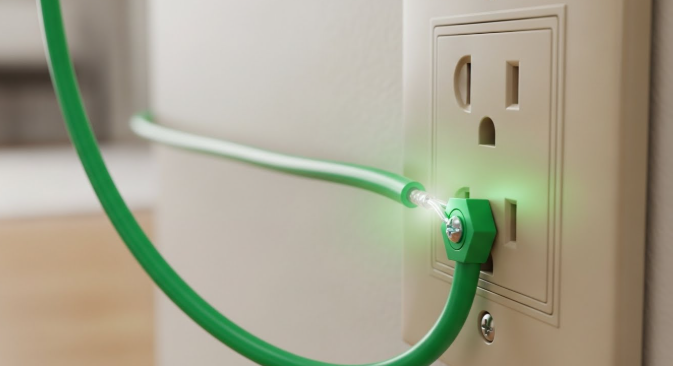
If you’ve ever opened an outlet box, light switch, or appliance panel, you’ve likely noticed a green or bare copper wire tucked behind the others. Many homeowners wonder what it does, whether it’s optional, and what happens if it’s missing. Understanding what is the green wire in electrical wiring is essential for safety, code compliance, and proper electrical function.
This guide delivers a complete, professional, code-aligned explanation. You’ll learn exactly what the green wire is, why it exists, where it’s required, how it works with breakers, and how to connect it correctly. By the end, you’ll understand why this single wire plays one of the most important roles in any electrical system. visit AB Electric Wiring now!
Short Answer: What Is the Green Wire in Electrical Wiring?
The green wire in electrical wiring is the ground (or earth) wire. Its sole purpose is safety. It does not normally carry electricity during everyday operation. Instead, it provides a safe path for electrical current to travel if a fault occurs, such as a short circuit or damaged wire.
You’ll find green wires connected to:
Electrical outlets
Light switches
Appliances like water heaters and HVAC units
Metal electrical boxes
When functioning properly, the green wire helps prevent electric shock, electrical fires, and equipment damage.
Understanding What Is the Green Wire in Electrical Wiring
What Is the Green Wire in Electrical Wiring Used For?
The green wire is used for grounding, which means safely directing unwanted electrical current into the earth. If a hot wire contacts metal parts of an appliance or box, the green wire provides a low-resistance path for that electricity to escape safely.
This grounding process:
Protects people from electric shock
Protects devices from voltage surges
Helps breakers trip quickly during faults
Without the green wire, dangerous voltage can remain on exposed metal surfaces.
How the Green Wire Works in an Electrical System
The green wire connects all grounded components back to:
The grounding bar in the electrical panel
A grounding electrode system (ground rods or metal water piping)
When a fault occurs, electricity flows through the green wire instead of through a person. This sudden surge causes the circuit breaker to trip immediately, cutting power to the circuit.
It’s important to understand the difference between:
Neutral (white wire): carries current during normal operation
Ground (green wire): carries current only during faults
They serve different purposes and should never be treated as interchangeable.
Why the Green Wire Is Critical for Electrical Safety
The green wire plays a key role in:
Shock prevention: prevents live metal surfaces
Fire reduction: stops overheating caused by stray current
Equipment protection: safely diverts surge energy
Without proper grounding, even small wiring failures can become life-threatening hazards.
Where You Will Find the Green Wire in Electrical Wiring
Green Wire in Outlets and Switches
In outlets and switches, the green wire is attached to:
A green grounding screw
A grounding terminal on the device
For metal electrical boxes, the green wire must also bond to the box itself. Plastic boxes do not require bonding, but the device still must be grounded.
Green Wire in Appliances and Fixtures
Large appliances and fixtures rely heavily on grounding, including:
HVAC systems
Water heaters
Washing machines and dryers
Metal lighting fixtures
In these systems, the green wire prevents the appliance housing from becoming energized if an internal fault occurs.
Green Wire in Electrical Panels and Junction Boxes
Inside the main electrical panel:
Green or bare copper wires connect to the ground bar
Grounds are bonded to the panel enclosure
Grounds are tied to earth through grounding electrodes
In junction boxes, all ground wires must be connected together and bonded properly.
Electrical Codes and Standards for the Green Wire
NEC Requirements for the Green Wire in Electrical Wiring
The National Electrical Code (NEC) strictly regulates grounding:
Green or bare copper is reserved exclusively for grounding
Green wires may never be used as hot or neutral conductors
All new circuits must include a grounding conductor
These rules exist to maintain consistency and prevent dangerous wiring errors.
When Green Wires Must Be Connected
Green wires must be connected during:
New electrical installations
Outlet and switch replacements
Appliance upgrades and remodels
Leaving a green wire disconnected even temporarily creates a code violation and safety risk.
Common Code Violations Involving the Green Wire
Frequent mistakes include:
Loose or disconnected ground wires
Failing to bond metal boxes
Connecting ground and neutral together downstream of the panel
Cutting off the green wire because “everything still works”
These errors defeat the entire purpose of grounding.
How to Properly Connect the Green Wire
Step 1 – Turn Off Power and Confirm Safety
Shut off the circuit breaker
Test wires with a voltage tester
Never rely on switch position alone
Step 2 – Identify the Green (Ground) Wire
Solid green insulation or bare copper
Older homes may only have bare copper
Mixed wiring may require grounding pigtails
Step 3 – Attach the Green Wire to the Ground Terminal
Wrap the wire clockwise around the green screw
Tighten firmly
Use pigtails when grounding multiple devices
Step 4 – Secure Ground Connections in the Box
Bond green wire to metal boxes
Use approved wire nuts or grounding clips
Ensure no loose connections remain
Step 5 – Test the Ground Connection
Use an outlet tester
Verify continuity with a multimeter
Confirm proper breaker operation
Green Wire vs Other Electrical Wires
| Wire Color | Function | Carries Current? | Safety Role |
|---|---|---|---|
| Green / Bare | Ground | No (except during fault) | Shock & fire protection |
| White | Neutral | Yes | Returns current |
| Black | Hot | Yes | Delivers power |
| Red | Hot (secondary) | Yes | Switch legs / travelers |
FAQs About What Is the Green Wire in Electrical Wiring
What is the green wire in electrical wiring used for?
It provides grounding to prevent electric shock and fire hazards.
Is the green wire the same as the neutral wire?
No. Neutral carries current normally; ground carries current only during faults.
Can the green wire carry current?
Only briefly during electrical faults or surges.
What happens if the green wire is not connected?
Metal parts can become energized, creating serious shock risks.
Is a bare copper wire the same as a green wire?
Yes. Both serve as grounding conductors.
Can I connect the green wire to the neutral wire?
No. This is a dangerous code violation except at the main bonding point.
Do older homes always have green wires?
No. Many older homes lack grounding entirely.
Is the green wire required by electrical code?
Yes, for nearly all modern circuits.
Conclusion: Why Understanding What Is the Green Wire in Electrical Wiring Matters
Understanding what is the green wire in electrical wiring is not optional it’s fundamental to electrical safety. The green wire protects lives, prevents fires, and ensures electrical systems respond correctly during faults.
While basic grounding connections can sometimes be handled by knowledgeable DIYers, complex systems, older homes, and panel work should always involve a licensed electrician. Proper grounding is not about convenience it’s about protection.
When in doubt, never ignore or remove the green wire. It’s one of the most important safety features in your entire electrical system.