
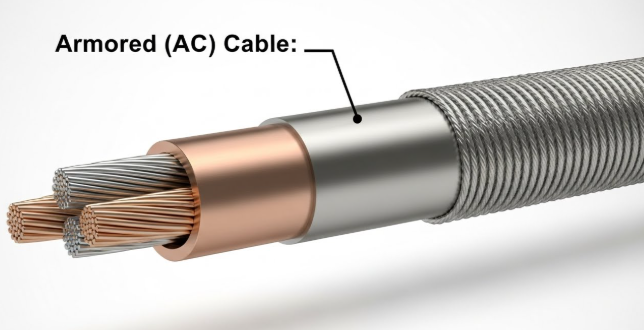
Modern homes rely on safe, durable, and code-compliant electrical wiring to power outlets, lights, appliances, and smart home systems. Whether you’re a homeowner planning renovations, a DIY enthusiast, or a new homebuyer curious about electrical safety, understanding what type of wiring is used in homes today is essential. This guide provides a detailed overview of current residential wiring types, how they are installed by AB ELECTRIC WIRING, and the best practices to ensure safety and longevity.
By the end of this article, you’ll know the standard wiring materials, their applications, code requirements, and installation steps. You’ll also learn how to distinguish modern wiring from older systems and when professional assistance is required.
Short Answer: What Type of Wiring Is Used in Homes Today?
The primary wiring type used in modern homes is NM-B cable, commonly known as Romex, which is designed for indoor residential circuits such as outlets, lighting, and general-purpose circuits.
Secondary wiring types include:
THHN/THWN wires for conduit-based runs, typically in basements, garages, or commercial-style installations
UF (Underground Feeder) cable for outdoor and direct-burial applications
Low-voltage wiring for data, security, and smart home devices
For example, most outlets and lights use NM-B, while your outdoor landscape lighting might run through UF cable, and Ethernet or security cameras utilize low-voltage wiring.
Understanding What Type of Wiring Is Used in Homes Today
What Type of Wiring Is Used in Homes Today for Standard Circuits?
For most residential circuits, NM-B (Romex) is the standard. Romex replaced older methods like knob-and-tube and cloth-insulated wiring because it is safer, easier to install, and fully compliant with modern electrical codes. Typical applications include:
General-purpose outlets
Lighting circuits
Small appliance circuits
Romex’s plastic sheathing allows easy routing through walls and ceilings while keeping conductors protected.
Why Modern Homes Use These Wiring Types
Modern wiring standards focus on:
Safety improvements: NM-B and THHN/THWN wiring are rated for heat and fire resistance
Fire resistance: Insulation materials reduce risk of electrical fires
Ease of installation and maintenance: Standardized colors and cables simplify troubleshooting
Code compliance: Adhering to NEC (National Electrical Code) ensures insurance and inspection approval
Common Wire Gauges Used in Today’s Homes
The two most common wire gauges for residential circuits are:
14-gauge wire: Typically used on 15-amp circuits for lighting and standard outlets
12-gauge wire: Used on 20-amp circuits for kitchens, laundry areas, and dedicated appliance circuits
Dedicated circuits may require larger gauges depending on appliance power demands.
Types of Electrical Wiring Found in Homes Today
NM-B (Romex) Wiring
Construction and insulation: Plastic-sheathed, multiple conductors
Indoor use only: Walls, ceilings, and attics
Advantages: Easy installation, reliable, cost-effective
Limitations: Not suitable for outdoor or wet locations
THHN/THWN Wiring in Conduit
Usage: Conduit runs in basements, garages, and industrial-style setups
Heat and moisture resistance: Suitable for wet or high-temperature environments
Advantages: Flexible for long runs and retrofits
UF (Underground Feeder) Cable
Applications: Direct burial for outdoor circuits, such as garden lighting or detached garages
Advantages: Moisture-resistant, rated for outdoor use
Installation: Must be buried at code-mandated depths
Low Voltage Wiring in Modern Homes
Applications: Data cabling (Ethernet), security systems, smart home controls
Separation from line voltage: Prevents interference and ensures safety
Benefits: Efficient, safe, and supports modern home technology
Electrical Codes and Safety Standards for Home Wiring
NEC Requirements for Residential Wiring
The National Electrical Code (NEC) governs wiring standards, including:
Proper insulation ratings
Wire gauge matching circuit breakers
Approved cable types for indoor and outdoor use
Grounding and bonding requirements
Wiring Types No Longer Used in Modern Homes
Older wiring systems may still exist in legacy homes but are rarely installed today:
Knob-and-tube wiring (obsolete, limited capacity, safety hazards)
Aluminum branch wiring (prone to oxidation and fire risk)
Cloth-insulated wiring (aging insulation, safety concerns)
When Upgrading Old Wiring Is Required
Wiring upgrades are recommended during:
Remodeling or room additions
Replacement of outdated outlets, panels, or circuits
Insurance inspections or safety updates
Upgrading ensures compliance with current codes and reduces fire risk.
How Electrical Wiring Is Installed in Homes Today
Step 1 – Determine Circuit Requirements
Calculate load requirements
Identify dedicated circuits for appliances (e.g., oven, HVAC)
Plan for future expansion
Step 2 – Select the Correct Wire Type and Gauge
Match wire gauge to breaker size
Choose NM-B, THHN/THWN, UF, or low-voltage cable based on location and application
Step 3 – Route and Secure Wiring
Follow NEC-approved routing practices
Use staples or cable supports without damaging insulation
Avoid sharp bends or interference with other systems
Step 4 – Make Safe Connections
Connect wires to outlets, switches, and junction boxes
Ensure proper grounding and bonding
Use wire nuts or approved connectors
Step 5 – Test and Inspect the Wiring
Check continuity and voltage
Verify proper breaker operation
Schedule inspection if required by local codes
Types of Wiring Used in Homes Today
| Wiring Type | Common Use | Location | Code Status | Durability |
|---|---|---|---|---|
| NM-B (Romex) | Outlets & lighting | Indoors | Approved | High |
| THHN/THWN | Conduit runs | Indoor/Outdoor | Approved | Very High |
| UF Cable | Outdoor & underground | Exterior | Approved | Very High |
| Low Voltage | Data & security | Mixed | Approved | High |
| Knob-and-Tube | Old homes | Indoor | Obsolete | Low |
FAQs About What Type of Wiring Is Used in Homes Today
What type of wiring is used in homes today for outlets and lights?
NM-B (Romex) is the standard for indoor residential circuits.
Is Romex wiring still used in new homes?
Yes, it remains the primary choice for general circuits.
What wiring is used in basements and garages?
THHN/THWN in conduit is commonly used due to moisture and heat considerations.
Are aluminum wires still allowed in houses?
They are rarely used today due to safety concerns; copper is preferred.
What wire gauge is used in modern homes today?
14-gauge for 15-amp circuits, 12-gauge for 20-amp circuits.
Is conduit required for residential wiring?
Not for NM-B indoors, but required for THHN/THWN runs in exposed or wet areas.
How long does modern home wiring last?
Typically 40–50 years if installed correctly, depending on usage and environment.
When should home wiring be replaced?
During renovations, if damaged, or if using outdated systems like knob-and-tube or aluminum wiring.
Conclusion: Choosing the Right Type of Wiring Used in Homes Today
Modern homes rely on NM-B (Romex), THHN/THWN, UF cable, and low-voltage wiring to deliver safe, efficient, and code-compliant electricity. Understanding the types of wiring used today is crucial for renovations, safety upgrades, and new installations.
Always follow NEC standards and local codes, choose the correct wire gauge, and ensure proper grounding. While DIY installation is possible for minor projects, major wiring upgrades should be handled by licensed electricians to maintain safety and compliance.
By selecting the right wiring type and installing it correctly, homeowners can ensure decades of reliable, safe electrical service for their homes.